Parallel but also in dialogue with the publication Martellata, the different experimentations of Martellata_14.09.91 will compose an ‘essayistic’ exhibition. It will consist of:
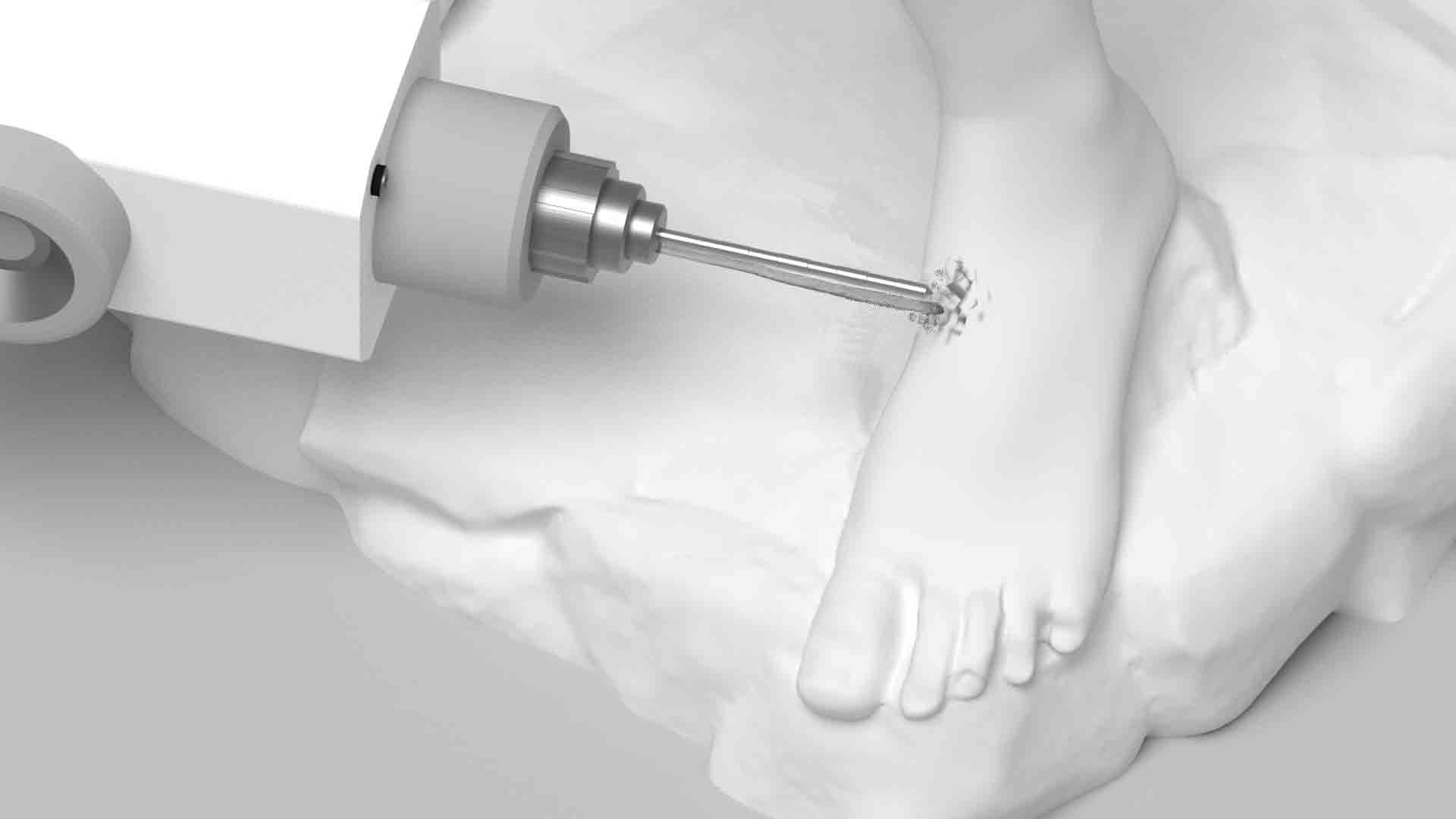
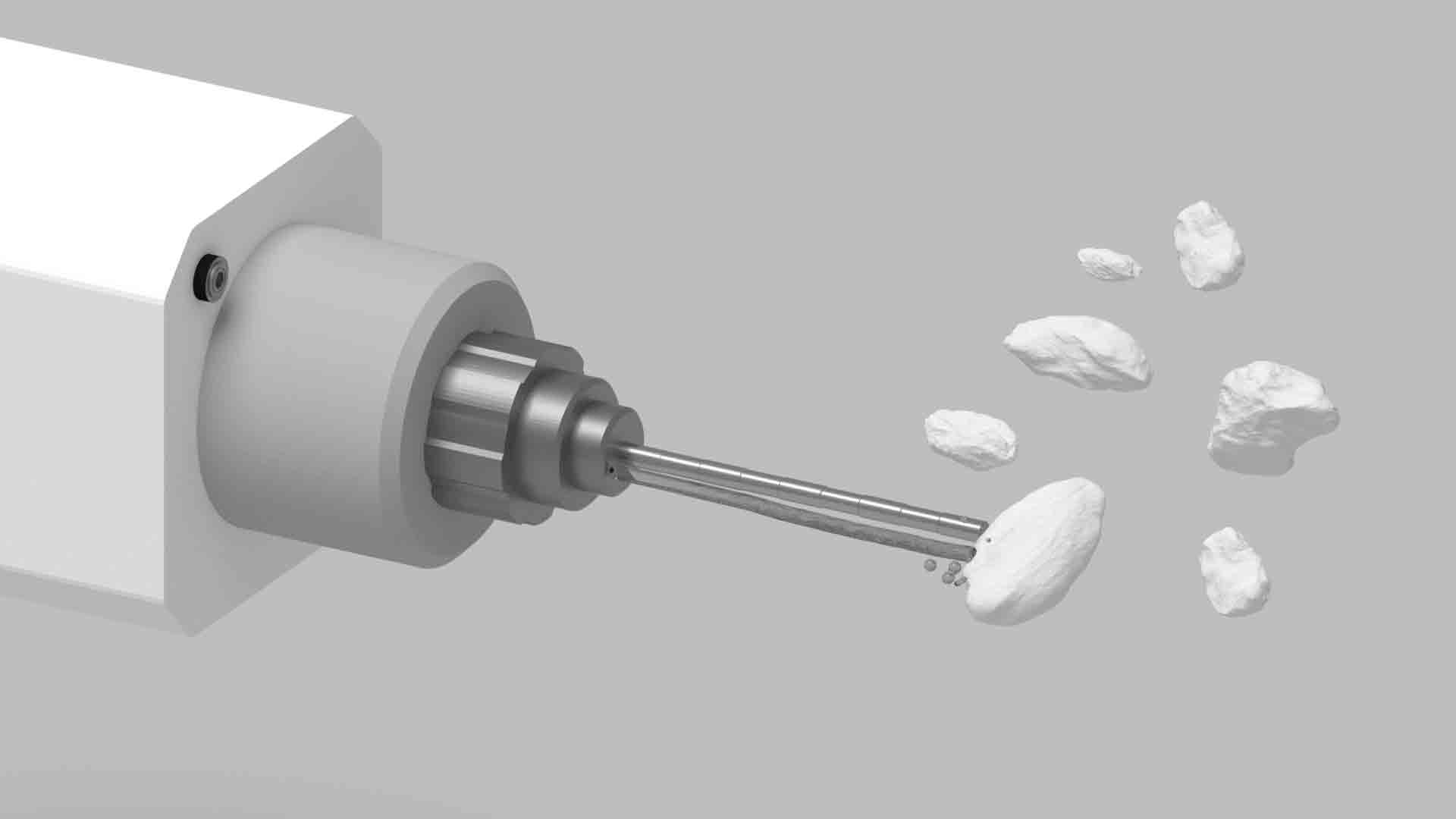
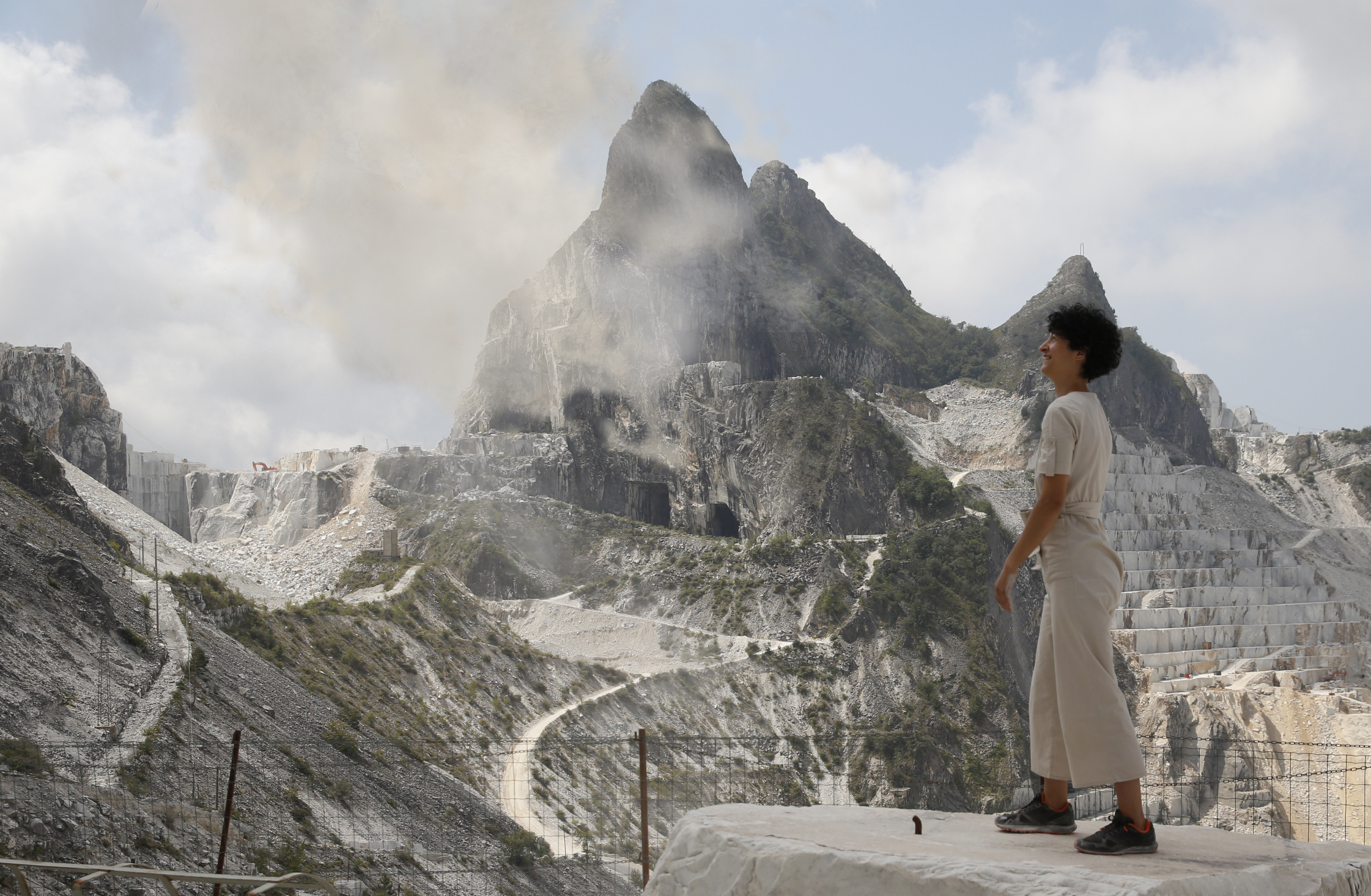
- A computerized act of vandalism. A robotmill (a robotic arm) will carve out (and reproduce) the seven fragments detached from the toe; out of a copy of David‘s foot previously sculpted. The process will take place in Carrara, in the Fantiscritti quarry (place of origin of the David‘s marble block) and will be understood as a performance; so it will be documented by three cameras (two CANON 5D Mark II and a high-definition micro-camera that will be attached to the robotic arm).
It will be commissioned to TorArt, the only workshop that has currently made a 1:1 copy of the David as well as a reproduction of the bombarded Palmyra Triumphal Arch.This experimentation aims to approach the iconoclastic gesture and “to recover” the fragments that were subsequently attached to the sculpture. It also addresses other issues such as the application of new technologies in the processing of marble and the reconstruction of collective memory and imagination.The final result of A computerized act of vandalism will be seven sculpted fragments and a video of the robotic milling. Contrary to what happened with the dust released from the David after the hammering, the powder resulting from the activity of the diamond drill bits will be collected for another output.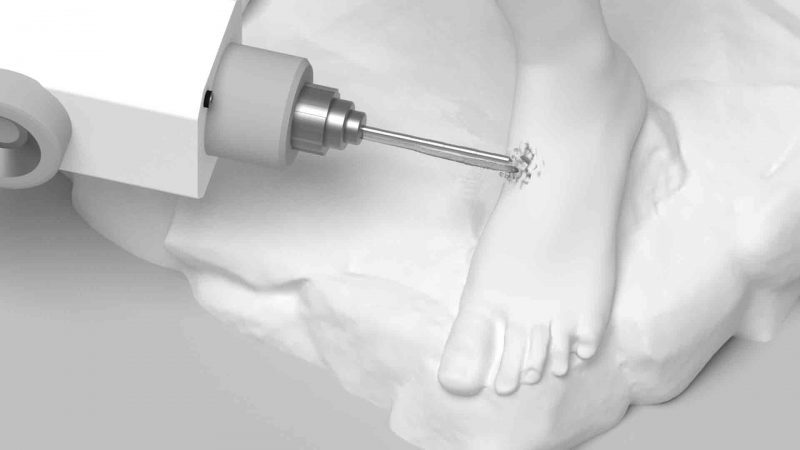
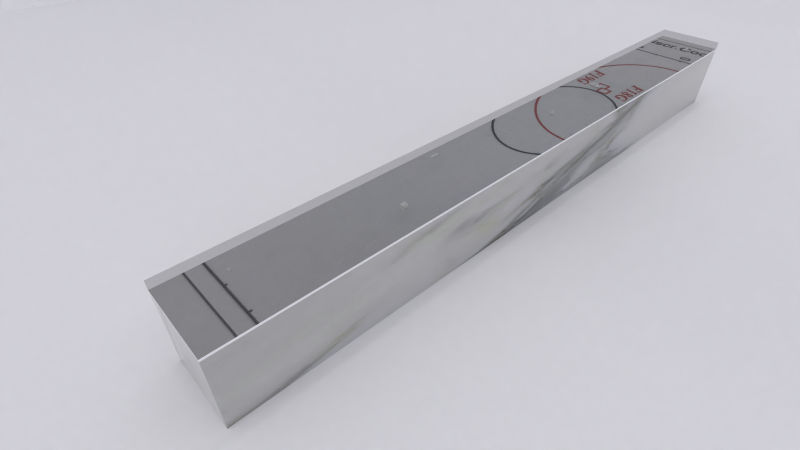
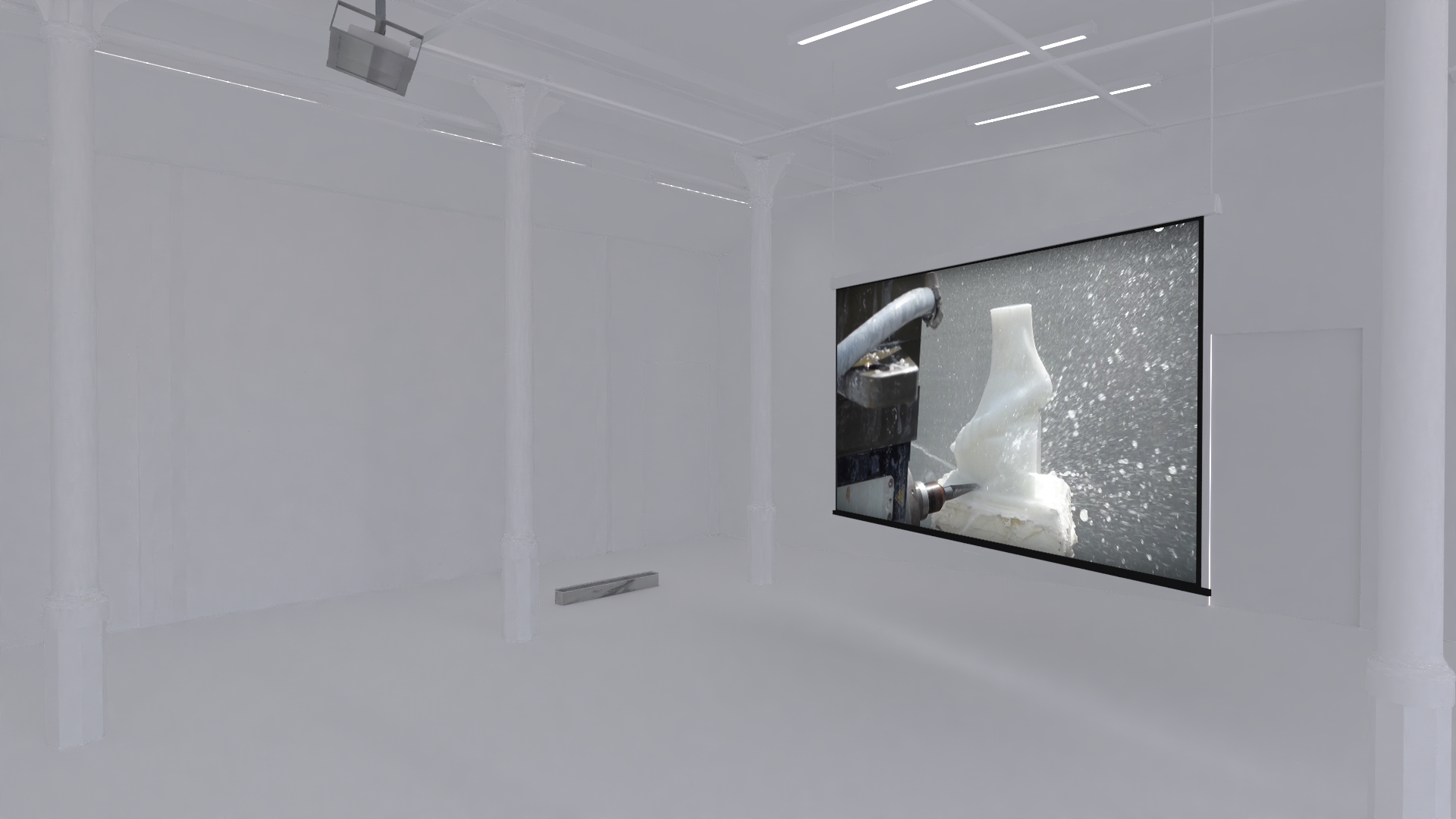
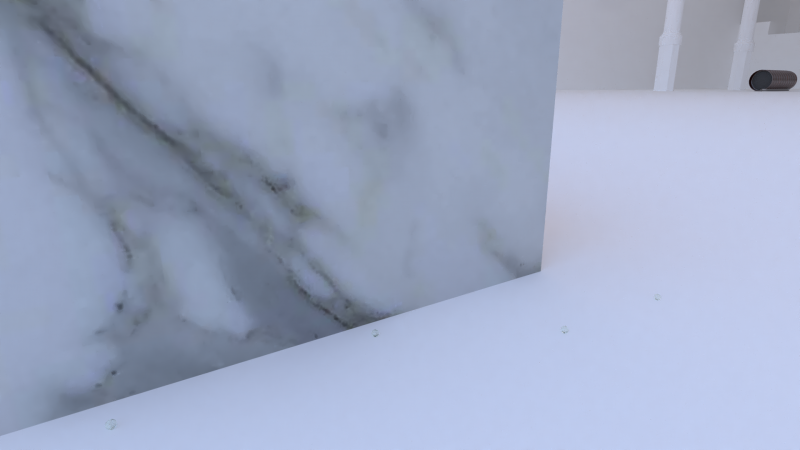
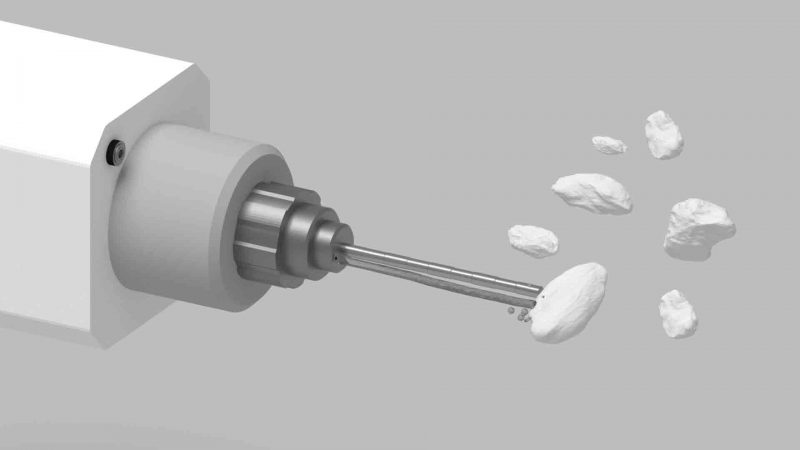 In the exhibition, the video documentation will be projected on a screen about 3m long. On the ground, a Fantiscritti marble base will support the seven robotically sculpted fragments. Under these and between a antireflecting glass and the marble, a photographic detail of the comparative crystallographic study will show the location of extraction of the David‘s marble block.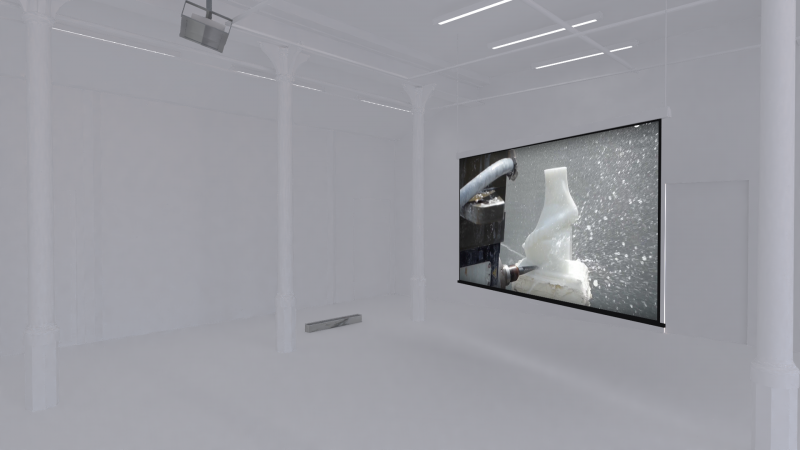
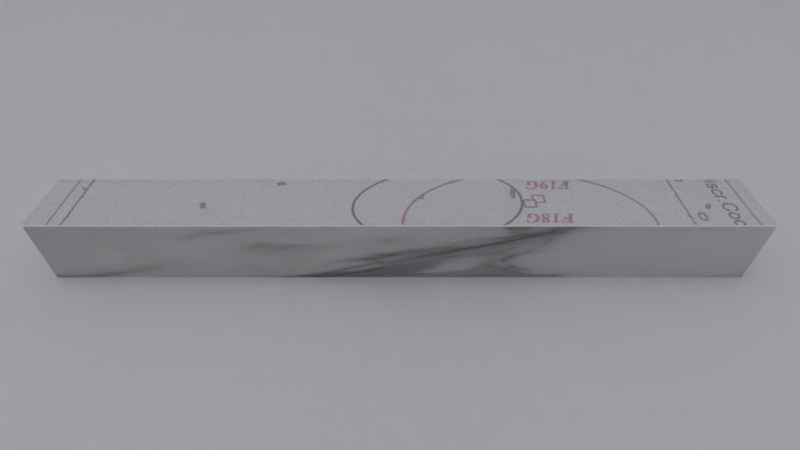
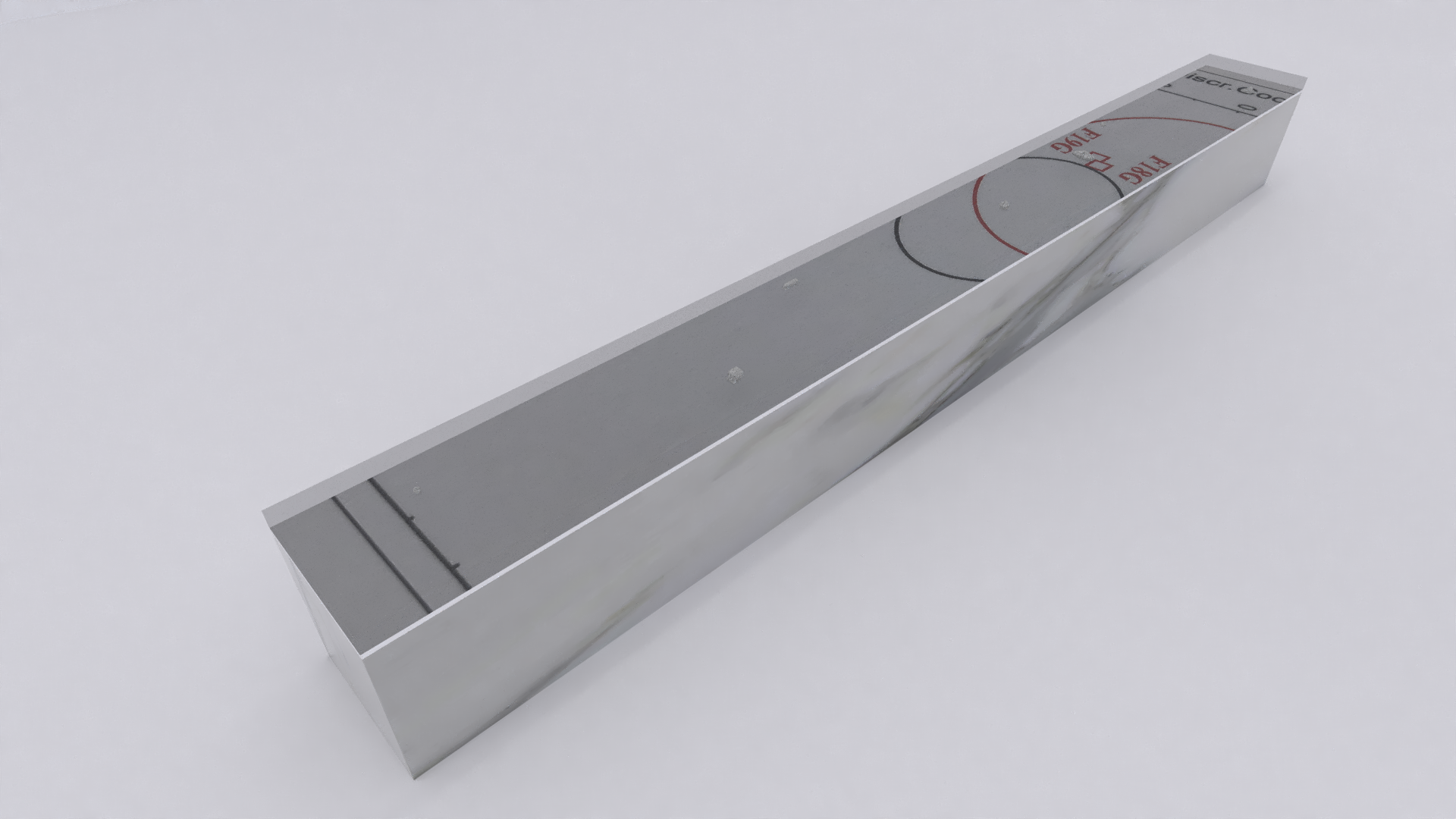
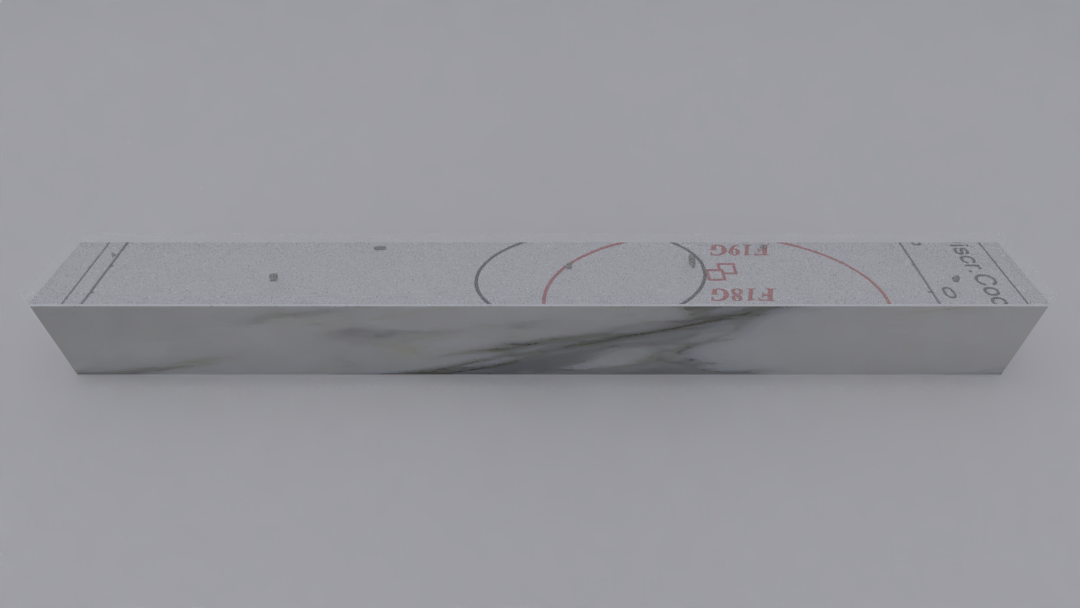
- A re-re-copy. Part of the dust collected during the computerized carving will be used in making a reproduction of the broken toe. The reference will be one “original plaster copies” that in 1991 Luigi Davitti -technician of the Gipsoteca dell’Istituto d’Arte di Firenze -made out of the mould that he took from the broken toe. Such copies were used by different restaurateurs in 1991 and in 2003 for the study of the relocation of the pieces detached from the sculpture.To agglutinate the marble powder in the form of a fragmented toe, I will apply Akeogard Co (Syremont) and Primal AC 33. These are the adhesive components that Annamaria Giusiti and Roberto Nesti (Restorators of the Opificio delle Petre Dure and Laboratori di Restauro) used to reconstruct the toe in October 1991.For A re-re-copy I will require the punctual collaboration of Luigi Davitti, the Opificio delle Petre Dure e Laboratori di Restauro (OPD), the Consiglio Nazionale delle Ricerche in Florence (CNR-Firenze) and the producer Radio Papesse.The intention of this experimentation is to recreate the processes of casting, copy, study and reconstruction of the damaged toe. There is also an application (and test) of the adhesive materials used by the OPD, as well as an interest in the different states, shapes and alterations of the marble.In the gallery, A re-re-copy will be presented as follows:
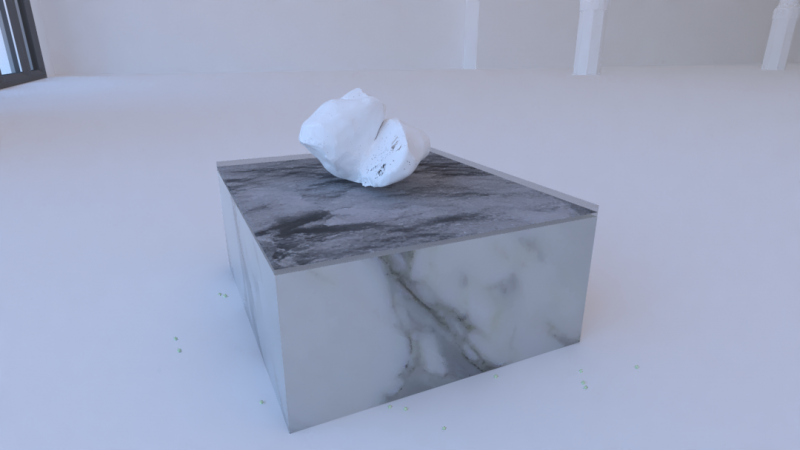
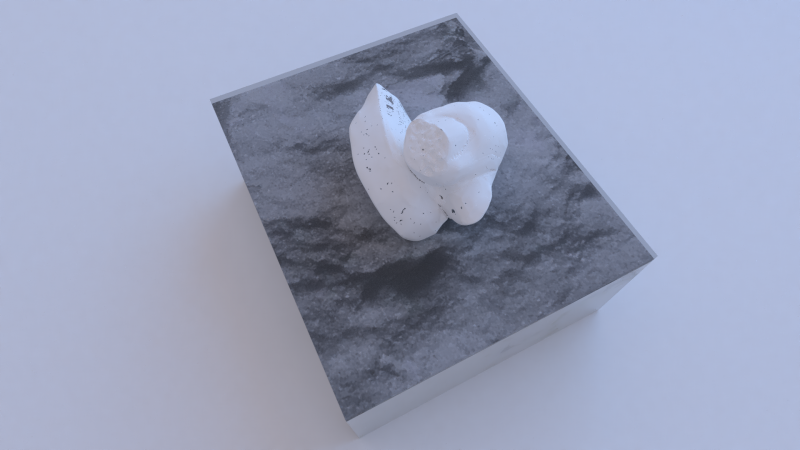
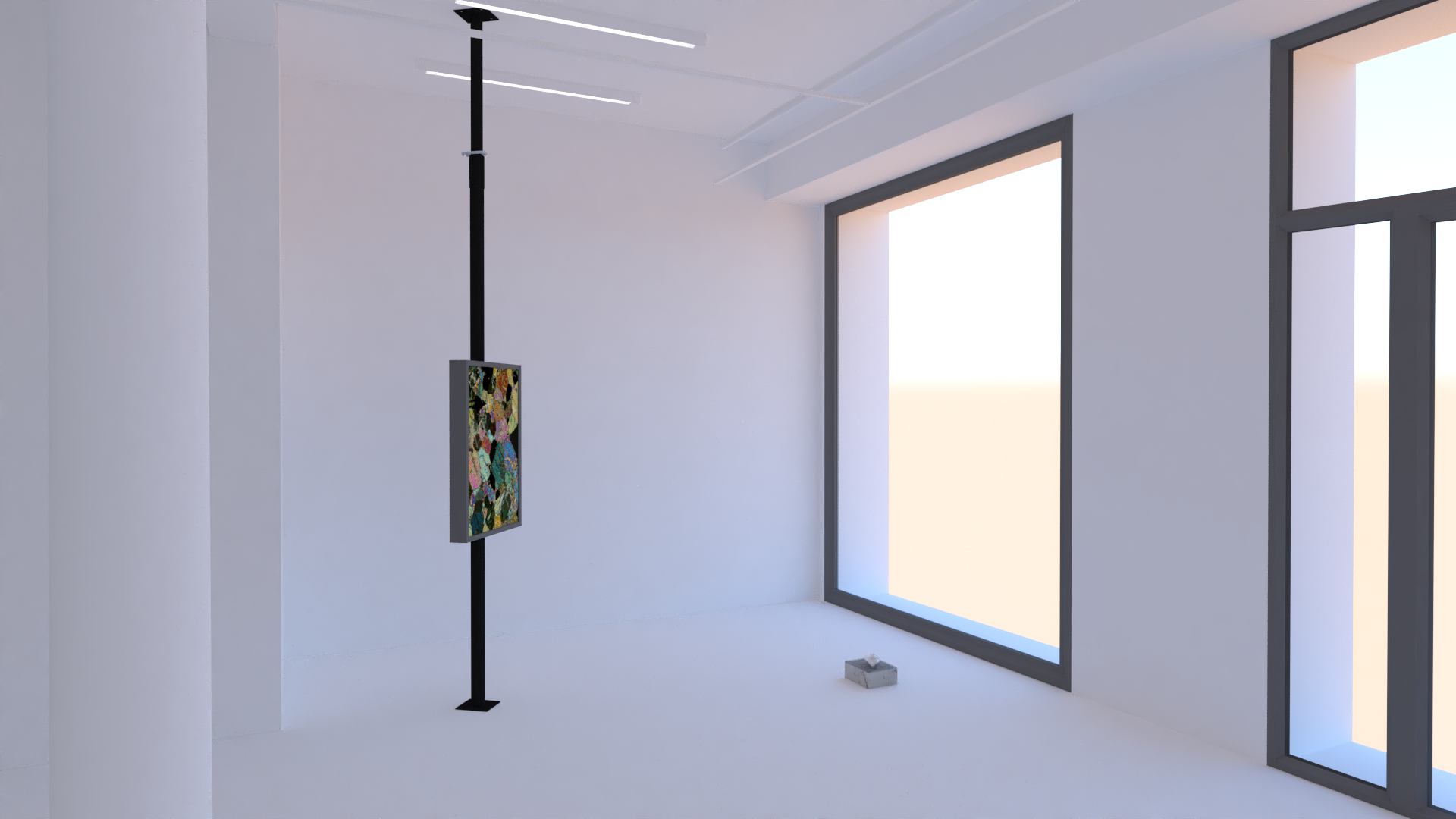
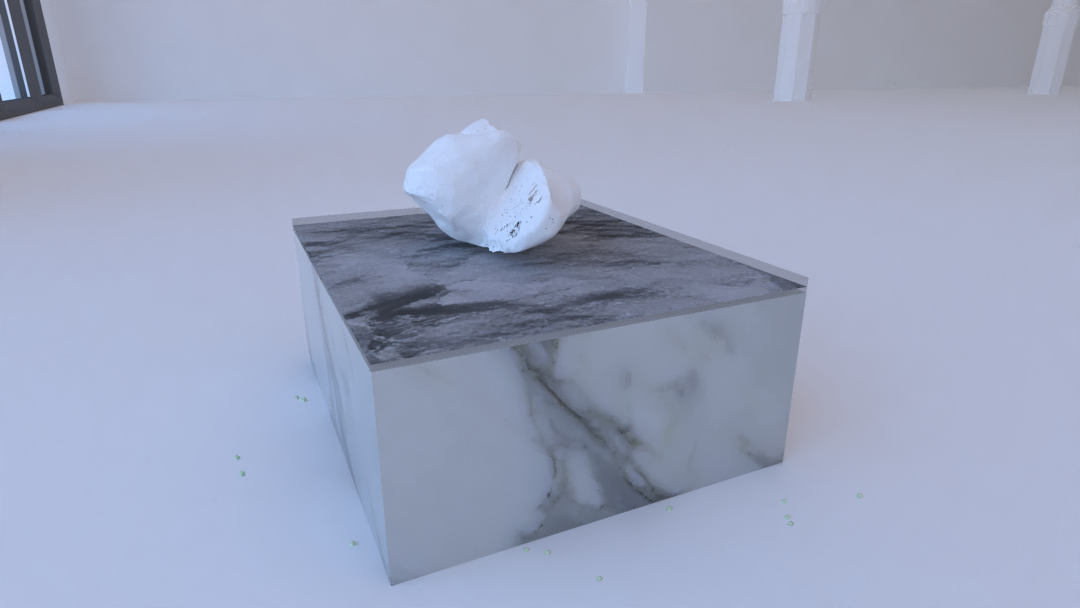
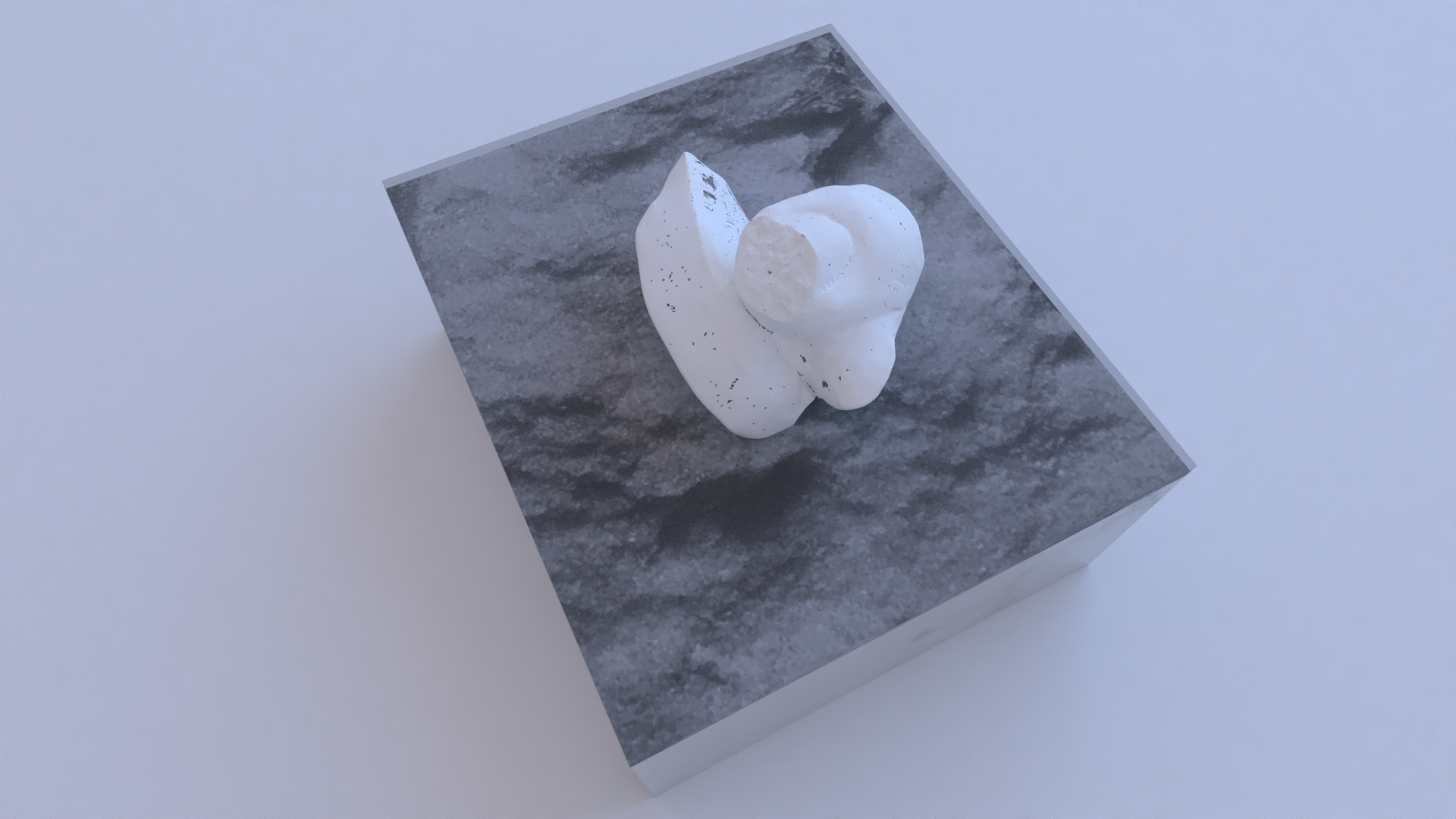
A flat screen mounted on a strut will show the petrographic study of the thin section of the fragment F17G; as an illuminated still photo, simulating the result of the microscopic analysis on the monitor of the CNR-Firenze laboratory.The agglutinated marble dust reproducing the broken toe will rest on a base of a polished marble. This willcome from Fantiscritti and will have many taròli[1]. On its tope, and under the re-re-copy, there will lay a close-up photograph of the David‘s toe breakage. This document was found at the ‘Fascicoli dei relievi tecnici. Gabinetto di Polizia Scientifica ’of 14.09.1991, which is classified in the file 12190/91 of the GIP section of the Superior Court of Florence.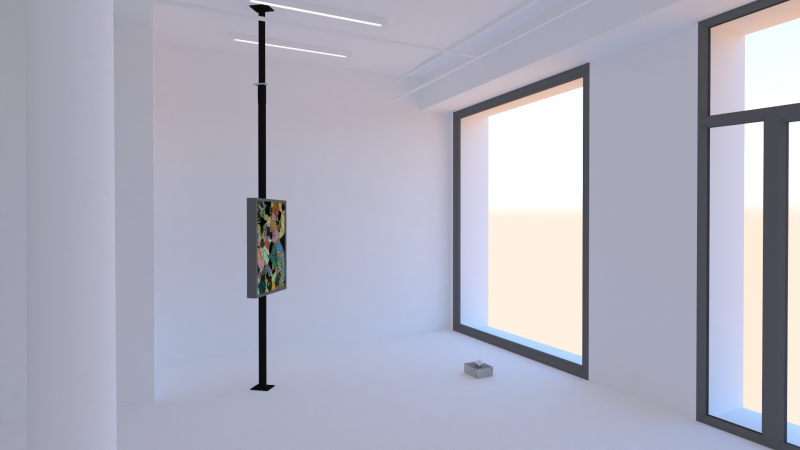
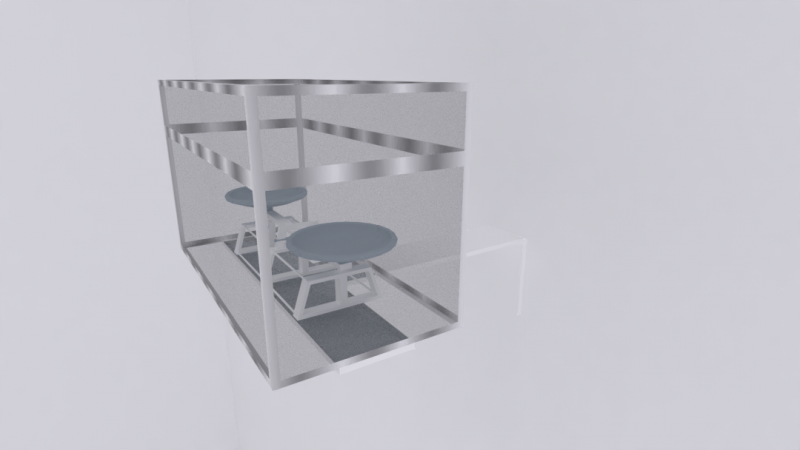
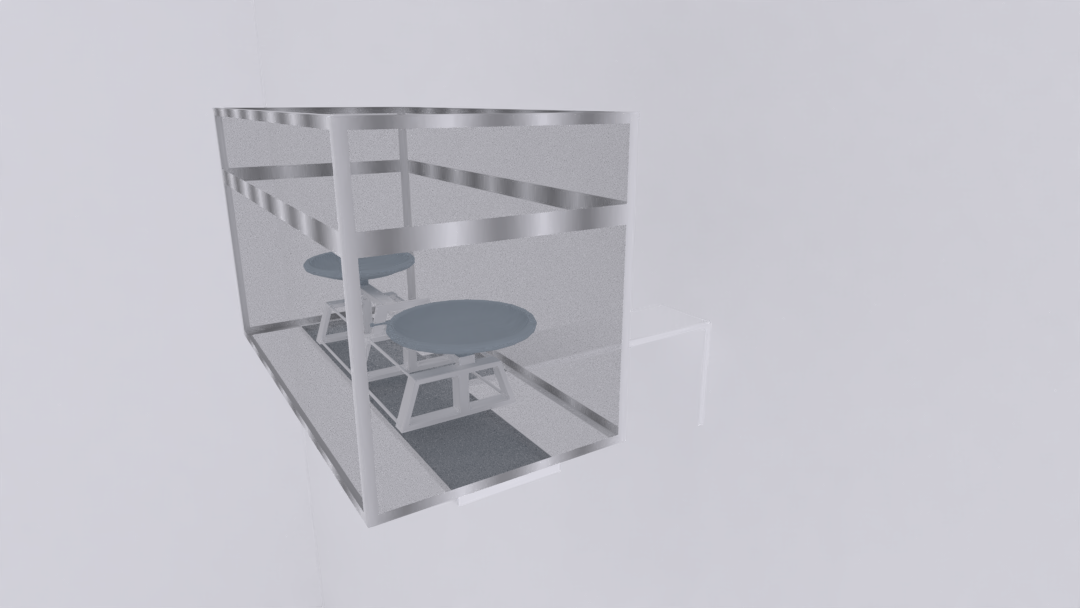
- Gaps. As explains the article ‘David’ di Michelangelo. Un restauro in punta di piedi [2], for the reconstruction of the broken toe, several voids had to be filled using a good amount of mortar. The internal pieces of the sculpture that were used for chemical and crystallographic studies had to be replaced, but also the gaps of matter left by the dust that could never be collected. Marble powder was mixed with the adhesive agents Akeogard Co (Syremont) and Primal AC 33 to make mortar.Using the mould that will have been used for A re-re-copy and employing the fragments sculpted in A computerized act of vandalism, I will proceed to the volumetric calculation. Such amount will be deposited in a laboratory scale which will show the weight of “those holes”.This experimentation approaches the loss of matter, the mimetic restoration, the replacement of noble elements, the chronological lags in terms of reconstruction, the loss of sedimented information.Gaps is presented as a scale-vitrine that is suspended in the air.
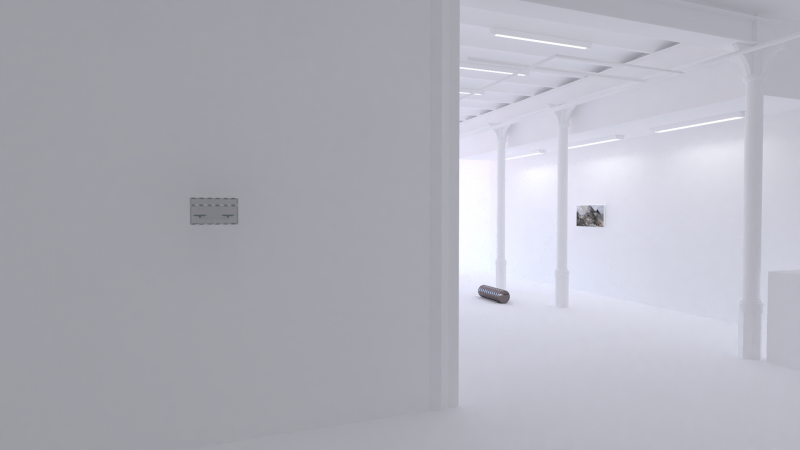
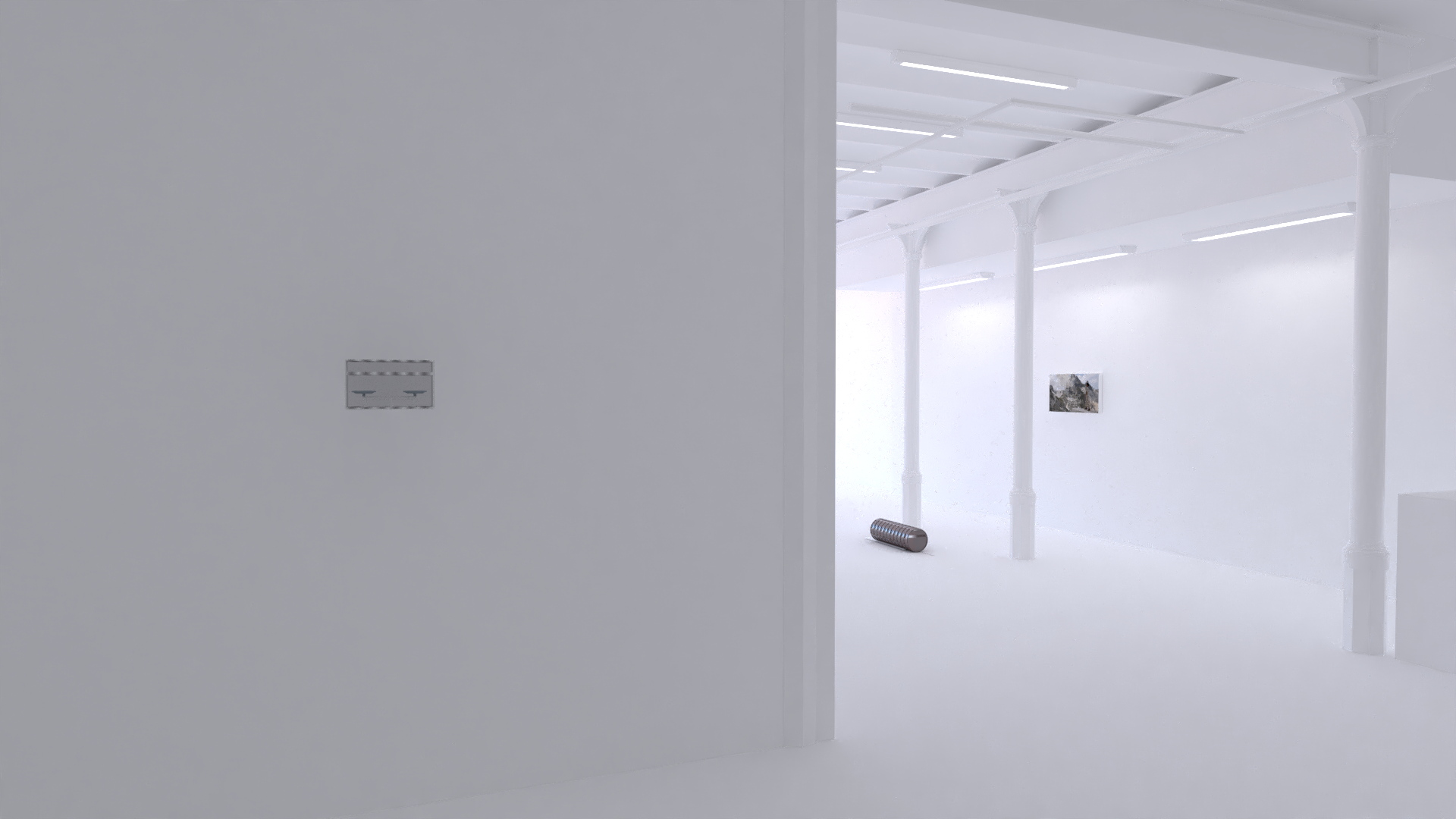
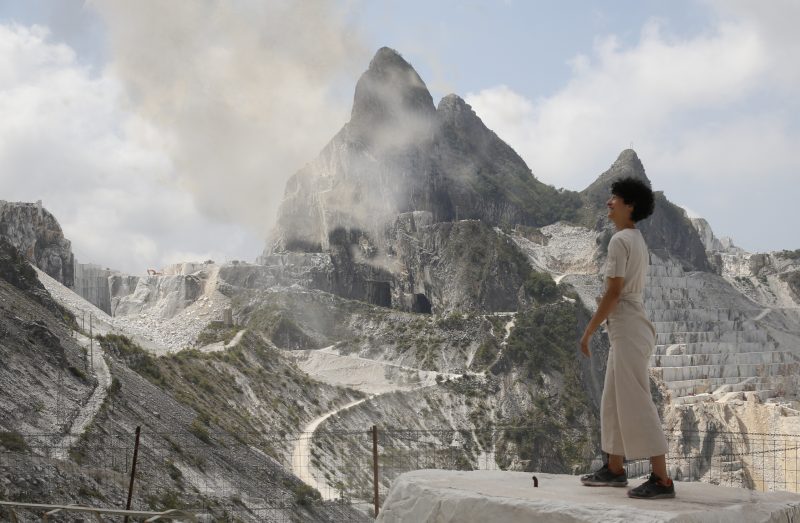
- Clouds of marble dust. As I have been able to verify with Dr. Oriol Oms of the Sedimentology Unit of the Faculty of Geology of the University Autònoma de Bellaterra, the “lost matter” of David‘s toe was not only in the form of marble dust, but also of particles that were fired into the air. Depending on their µm, they could have been suspended in the room of the Galleria dell’Accademia, forming one or more clouds, invisible to the human eye.Interested in the nature of the grains and micron-grains of marble dust, by their categorization (engraving, silt, clay, etc.) and their behaviour, I carried out a granulometry of a sample of marble earth taken from Fantiscritti. During the visit to Carrara, and in the Michelangelo quarry, I threw sand into the air to form a cloud of stone grains. That was a symbolic gesture to “inaugurate” a period of collaboration with the researcher Katja Bohm and Dr. Anu Kaakinen of the Air Erosion Unit of the Faculty of Geology of the University of Helsinki.Clouds of marble dust inquiries about the matter that escapes our sensory systems. It approaches non-human objects and events to challenge the assumption that form is external to matter, to representation. At the same time, there is an interest in the impossibility of accessing something like dust and accepts that the only way to study it is mediated, through the assumed a priori categories (temporality and spatiality).In the exhibition, Clouds of marble dust is presented as follows:
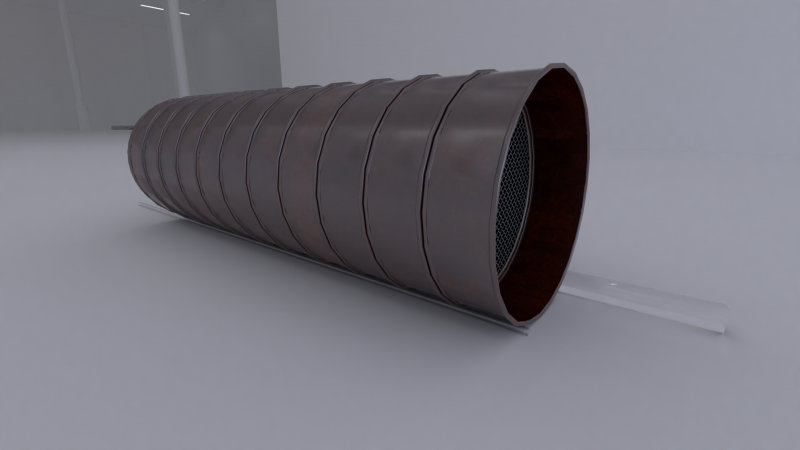
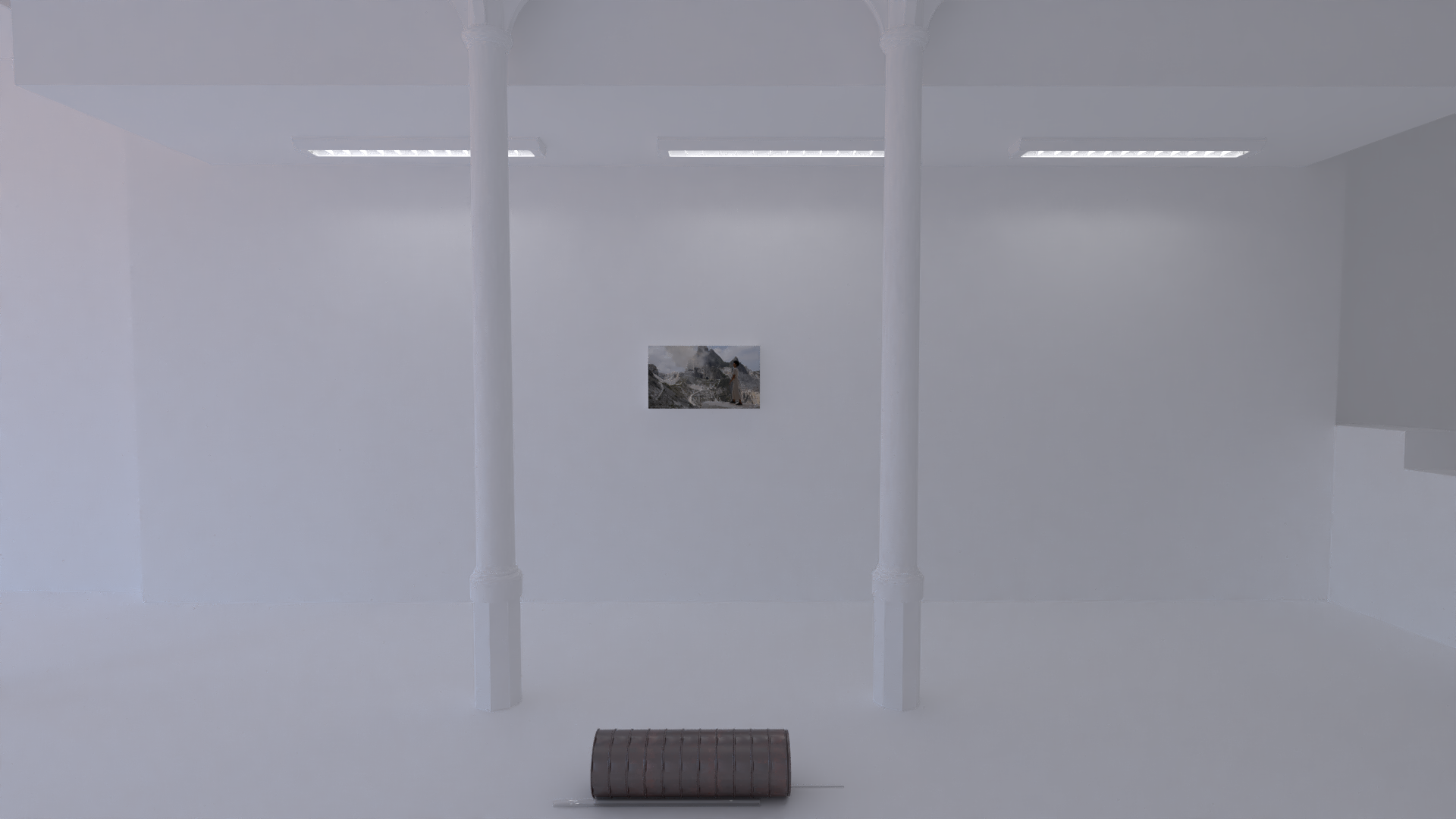
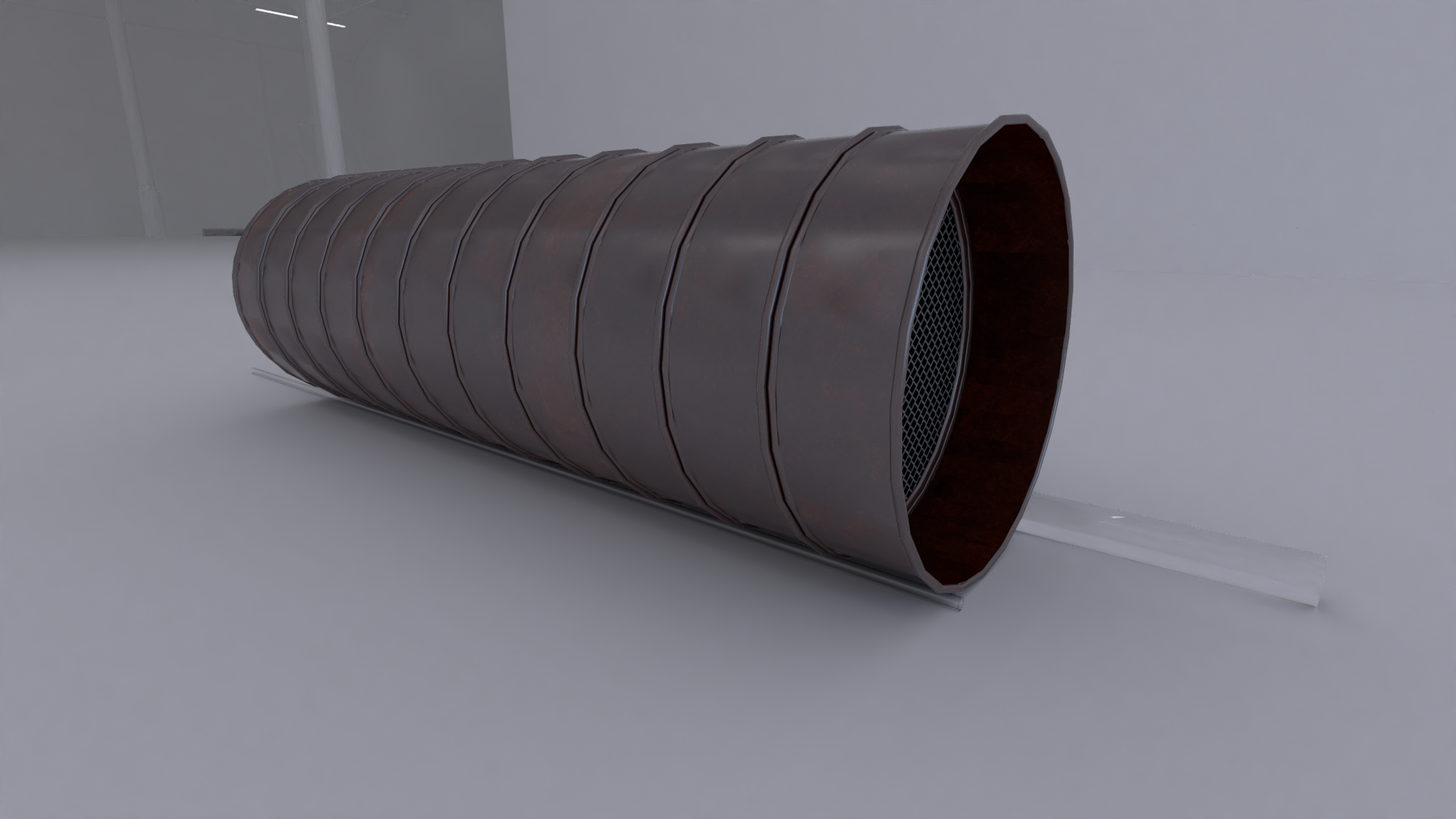
A column of sieves of different lights (or mesh thicknesses) form a column for a ganulometry. However, it rests on the floor; ans it is seated in such position by two laboratory glass rods of different thicknesses. On the adjoining wall, and symmetrically to the sieve column, a temporary photograph now shows a cloud formed with earth from Michelangelo’s quarry. This will possibly be replaced by a new cloud generated with micra-particles of marble dust that I will have formed (and documented) using the technology of the Laboratory of the Air Erosion Unit.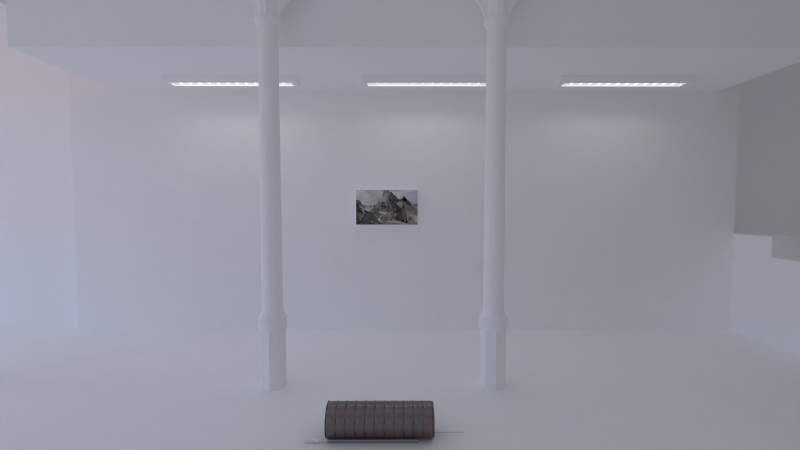
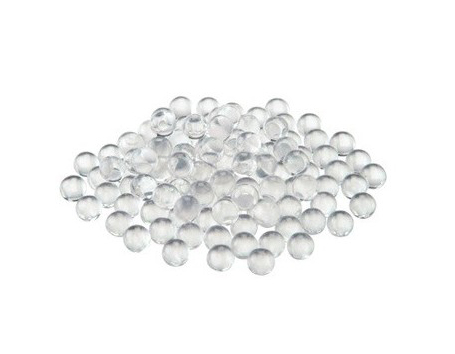
- Materiality filters in multiple directions. According to Jussi Parikka’s article “The new materiality of dust” every particle of dust carries with it a unique vision of matter: movement, collectivity, interaction, scattering… dust and particles smaller than clays and silt participate of an intensive differentiation that demands that cultural studies approach materialism with a new vocabulary, abandoning representation and deconstruction.This experimentation addresses the speculative nature of the world to show that non-human objects and events speculate even before we enter the scene. If focuses on the phenomena of collectivity, movement, non-human agency and new materialisms.The Materiality filters in multiple directions presents 190,000 laboratory spheres in the room. These are made of glass, of 2mm diameter. They are deposited on the ground so that, with the passaging of visitors, they will move around the room according to their own agency and conformation, forming temporary groupings that in any case can be moved.
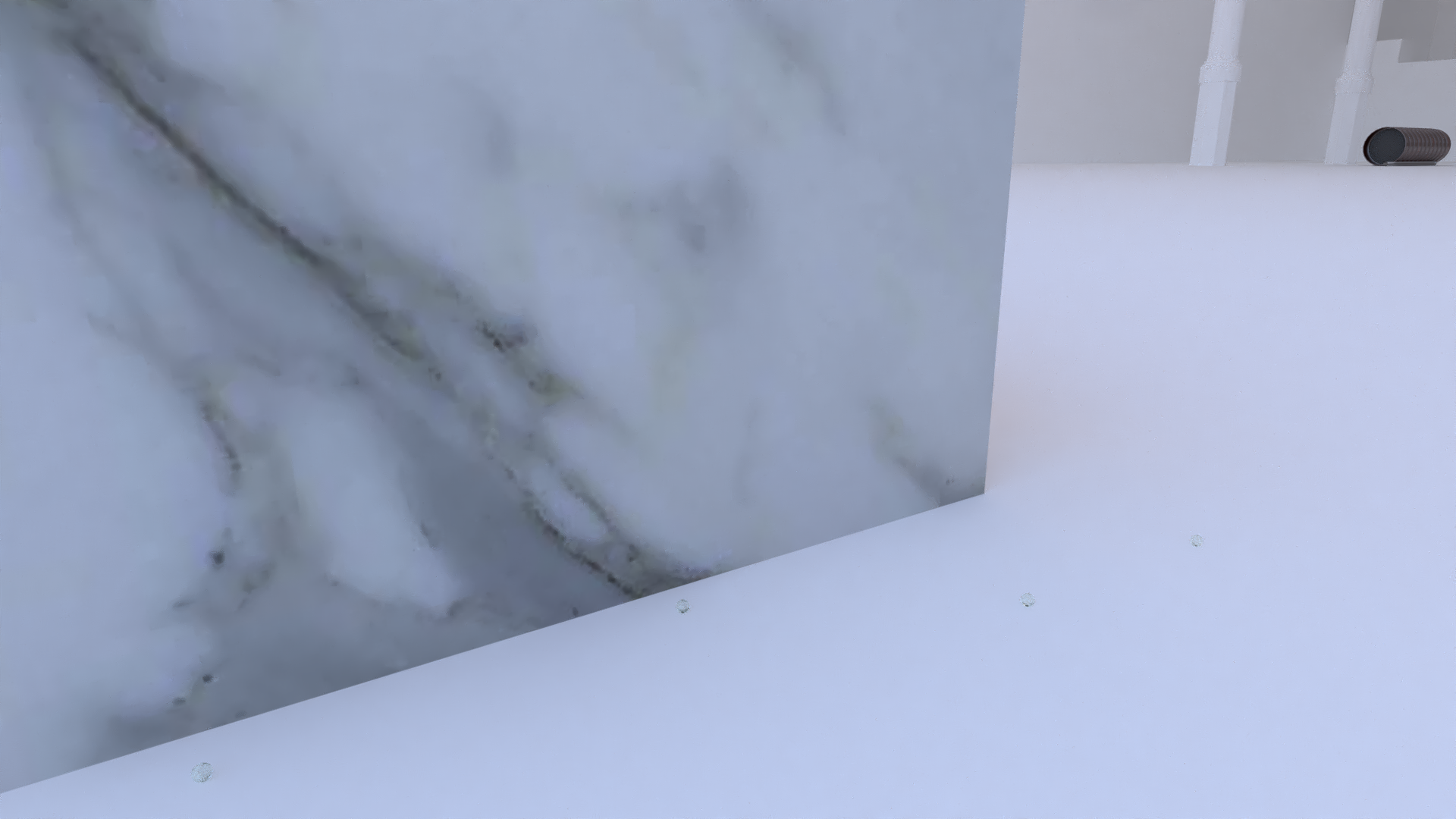
- A photographic series. Using an analogue photo-camera loaded with a film which ISO will reveal a granular (and stony) effect, I will document the entire work process of Martellata_14.09.91, as a mechanism of reflection on the intentions of the project and the production process of its different parts. I will also experiment with re-photographing the most relevant documents (texts and photographs) of the archives I have accessed. An exhaustive selection of the images produced will make up the photographic series.I have the intention of discussing the selection of the series with Piero Cannata; in the case of being able to reach some kind of collaboration with him. It is almost certain that such collaboration will also mean “visiting photographically” his new Italian grammar[3]. The intention of this piece is to generate a mechanism of reflection on the different processes of the project, as well as to include the aesthetic and / or grammatical criterion of Cannata. Cannata studied Fine Arts and he has an excellent aesthetic taste that has taken him to discuss art with me.The display of the series will be determined by the typology and content of the photographs.
- Processus in pulvere. As a video-essay, this output will review all the materials generated during the different phases of the project in order to present dialectal and chrono-material relations between all the different components of those same materials.
–
[1] The taròli are small cavities of approximately one millimeter in size that are distributed irregularly throughout the David‘s marble surface. The local stonecutters call them “taròli” and “tarme” in their own dialect.
[2] “‘David’ di Michelangelo. Un restauro in punta di piedi” de Annamaria Giusti y Roberto Nesti fue publicado en OPD Restauro. Rivista dell’Opificio delle Pietre Dure e Laboratori di Restauro di Firenze, nº 4, 1992.
[3] Cannata has been creating an Italian Grammar since years. A copy of such particular project was found at the Penal Archive of the Superior Court of Florence, at the file number 1230/09.